Early Spring Herb Gardening in the Blue Ridge: Your Beagle Ridge Guide to a Flourishing Season
Early spring in the Blue Ridge Mountains brings a gentle call to gardeners ready to coax herbs from winter’s rest. At Beagle Ridge Herb Farm, we’ve crafted a simple spring herb garden checklist to help you prepare your soil, nurture seedlings, and refresh lavender beds—all tuned to mountain microclimates and pesticide-free gardening. Join us this season to learn hands-on tips and enjoy garden tours that celebrate nature’s quiet awakening.
Preparing Your Herb Garden
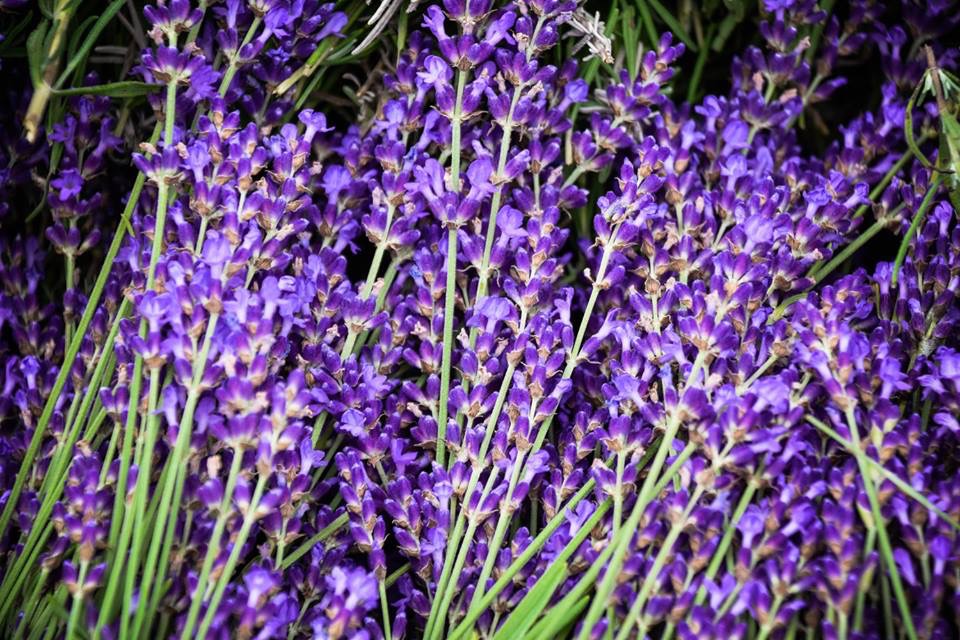
Springtime in the Blue Ridge Mountains is perfect for breathing life back into your herb garden. With the right steps, you can prepare your garden for a flourishing season ahead.
Waking Up the Soil
Getting your soil ready is like setting the stage for a great performance. The soil needs to be inviting for your plants. If you are working on a new garden bed gently turning over the soil will loosen things after the compaction of winter. Add organic compost to enrich the soil, giving herbs the nutrients they need. If your soil feels too dense, mix in some sand to improve drainage. Remember, the early bird gets the worm, so tackle this task before the frost is completely gone. Gardening teaches patience and in our zone we never suggest planting before May 15th.
Cool-Tolerant Herb Seedlings
Planting early in the season rewards you with fresh herbs sooner. Choose seedlings that thrive in cooler temperatures like parsley, chives, and cilantro. These herbs can handle the chilly mountain air, but the ground temperature is key, it needs to be above 50degrees. When planting, space them according to their needs and water them lightly. To protect young plants from unexpected frosts, use row covers or cold frames. This simple step can make all the difference between thriving herbs and ones that struggle.
Pruning and Dividing Perennials
Perennials are the backbone of your garden, returning each year with vigor. Depending on the herb, spring is the time to prune and divide them. Cut back dead or damaged stems to encourage new growth. For herbs like lavender, rosemary, and thyme, pruning keeps them healthy and productive. Dividing plants like lemon balm or mint every few years prevents them from becoming overcrowded. This process not only revitalizes your plants but also gives you more to plant elsewhere or share with friends.
Need to know when to prune? Check your frost date and make sure you want until at least 3 weeks before your last frost date. Here at the farm that means NOT until after April 15th.Pruning back any woody perennial or herb too soon will spur growth and if a wicked freeze returns you can damage or kill that plant. Patience is key when it comes to spring garden clean up.
Eco-Friendly Gardening Techniques
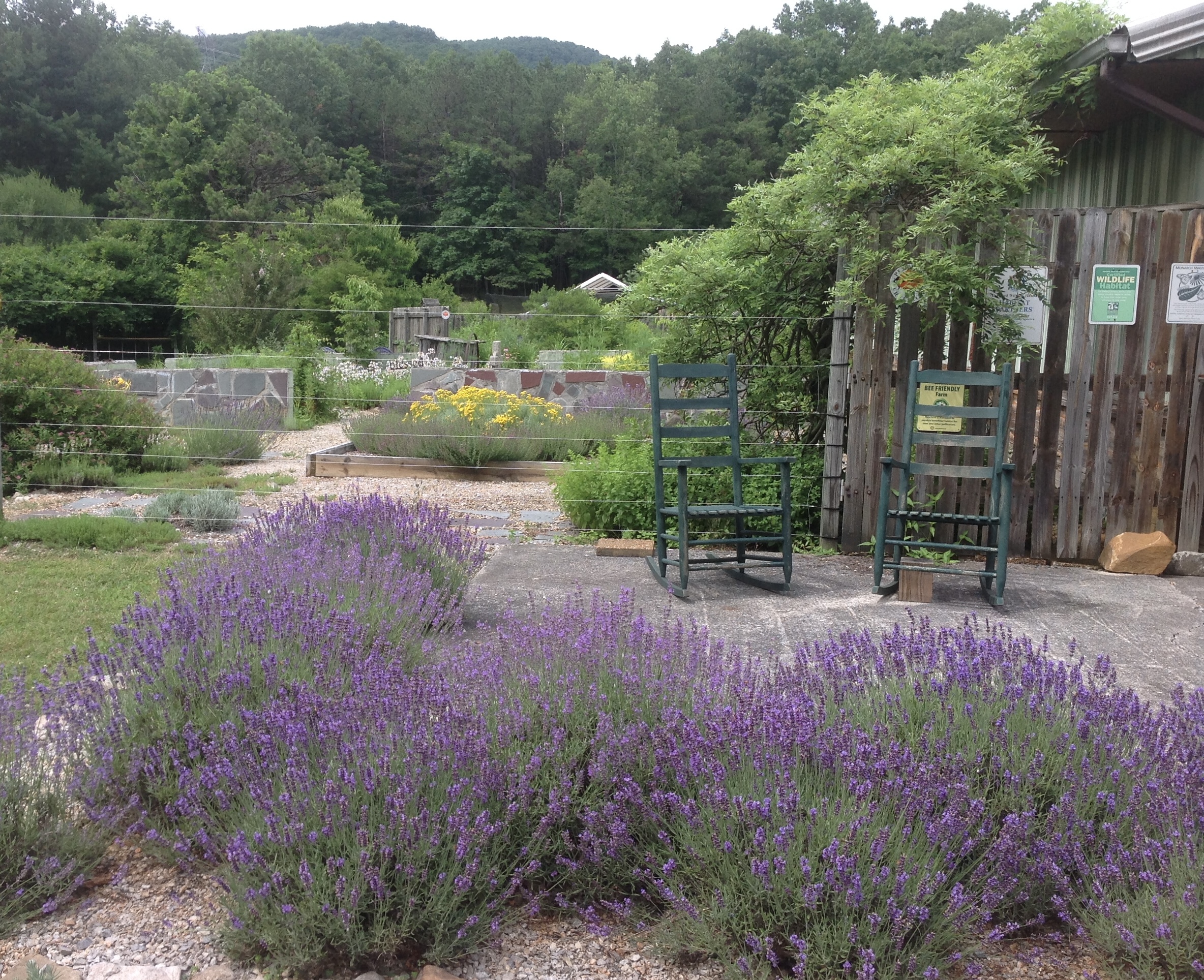
Sustainability is not just a trend, but a way to ensure your garden thrives naturally. Here’s how to incorporate eco-friendly practices into your gardening routine.
Pesticide-Free Methods
At Beagle Ridge, we believe in the power of nature to manage pests. Encourage beneficial insects like ladybugs and lacewings by planting flowers such as marigolds and nasturtiums. These allies will help keep aphids and other pests in check. You can also use homemade remedies like a garlic or neem oil spray to deter pests the natural way. This approach not only protects your plants but also the surrounding environment.
Mulching for Healthier Beds
Mulching is like giving your garden a protective blanket. It helps retain moisture, suppresses weeds, and adds organic matter to the soil. We use pine needles to mulch our herb and perennial beds, never bark mulch. This one simple step can reduce watering needs by up to 50%, making your garden more drought-resistant. Remember to keep mulch a few inches away from the plant stems in general to prevent rot. Shredded leaves will work around herbs but woody plants like Lavender do not like organic mulches, they hold too much moisture and can rot the crown of the plant. We suggest rock, or some sort of gravel around your lavender plants. This will give reflective heat and dry out the crown of the Lavender, Sage, Rosemary and other woody herbs.
Inviting Pollinators to Your Garden
Pollinators play a crucial role in your garden's success. To attract them, plant a variety of flowering herbs like borage, basil, and lavender. These not only look beautiful but also support bees and butterflies. Create a welcoming habitat by adding a shallow dish with water and stones for them to rest. By inviting pollinators, you encourage a rich and productive garden ecosystem.
Engaging with Beagle Ridge
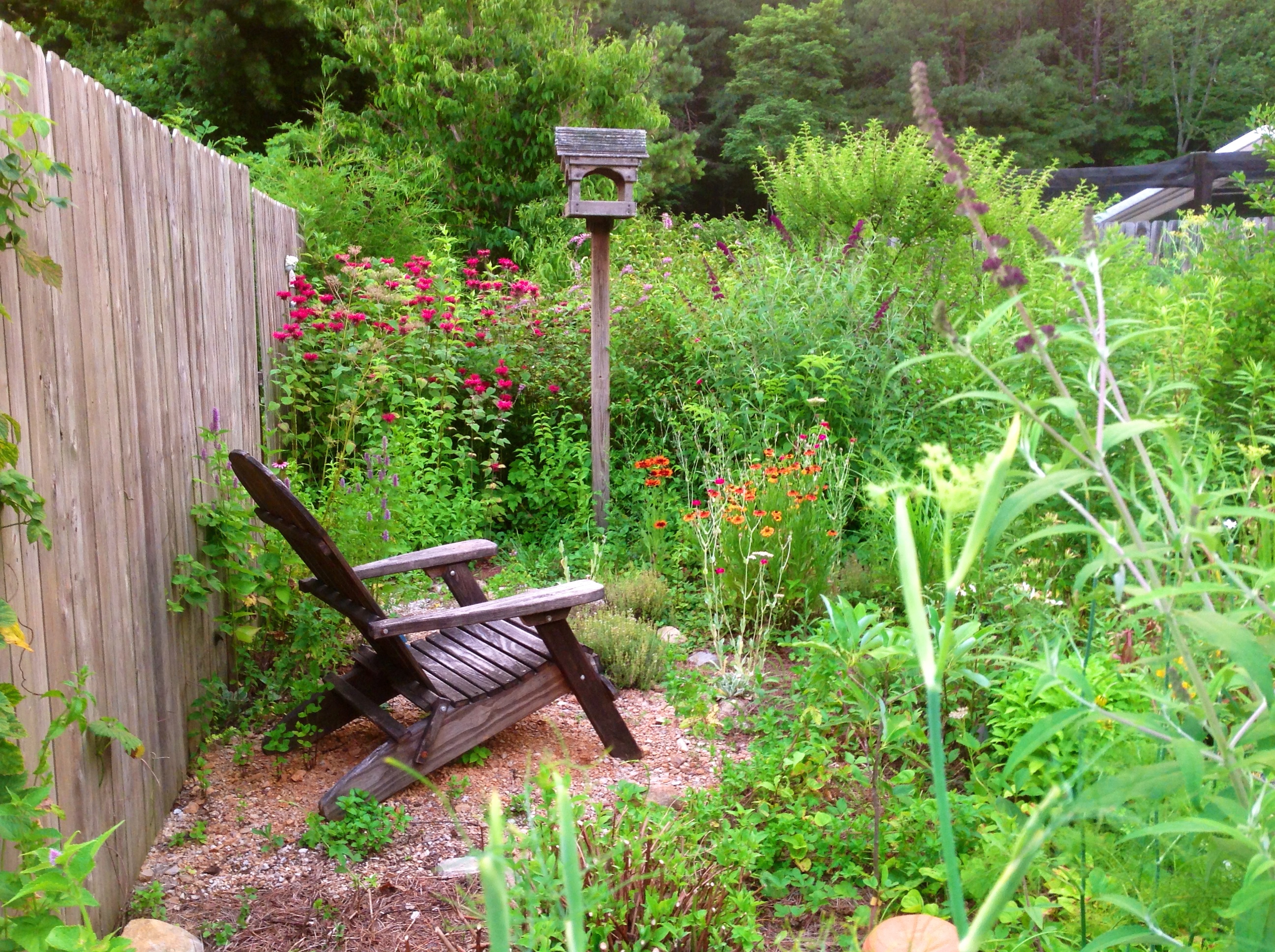
At Beagle Ridge, we’re more than just a farm; we’re a community. Here’s how you can become part of it and enhance your gardening journey.
Herb Workshops and Garden Tours
Immerse yourself in the world of herbs with our engaging workshops. Learn from experts about growing and using herbs in everyday life. Whether you're a beginner or seasoned gardener, there's always something new to discover. Our garden tours offer a glimpse into the diverse plant life and eco-friendly practices we employ. Join us and connect with nature in a meaningful way.
Lavender Spring Care and U-Pick Experience
Lavender is more than a plant; it's an experience. Discover the secrets to growing and caring for lavender in our spring workshops or our more intensive weekend long Lavender Academy. You'll learn how to prune, nurture, and even cook with lavender. During the U-Pick season, stroll through our lavender fields and pick your own bouquet. It's a sensory delight that combines beauty, aroma, and tranquility.
Take a Class or Just Come Visit
We invite you to check out our class list and join us this summer. Whether you want to attend a workshop, explore the gardens, or simply enjoy a day in nature, there’s something for everyone. Experience the joy of learning and the peace of our scenic landscapes. The sooner you plan your visit, the sooner you can start your journey into the world of herbs and eco-friendly gardening.
Comments
Post a Comment