Last Updated: November 17, 2026
Quick Summary
The best lavender farm visit experiences combine lavender in bloom, a guide or grower who explains the process, and enough time to slow down. Match the farm to your goal, whether that is photography, family time, or learning about growing and distillation.
- Bloom timing follows climate and variety, so check the farm's current-season page the week before you drive.
- English lavender typically opens earlier, while lavandin hybrids tend to open later.
- Ask whether tours and workshops require a reservation and whether there is a deposit.
- Stay on marked paths and do not pick flowers unless invited on the working farm. If you visit during u-pick you get to experience it all and take home fresh picked lavender too.
- Families should confirm kid-friendly areas and restrooms before arriving.
Table of Contents
- What Makes a Lavender Farm Visit Worth the Drive
- Lavender Farm Bloom Season: Timing Your Trip Right
- Lavender Farm Tours: What a Guided Walk Actually Shows You
- Lavender Farm Workshops and Hands-On Experiences
- Lavender Farm Visit Planning Tips for a Smooth Day Trip
- Matching the Experience to the Visitor: Families, Photographers, and Aspiring Growers
- Contact Beagle Ridge to Plan Your Visit
- Frequently Asked Questions
What Makes a Lavender Farm Visit Worth the Drive
A lavender farm visit works best when you treat it as a full sensory outing rather than a quick photo stop. The draw is simple: blooming lavender and the chance to see how a working farm turns a crop into oils, bundles, and baked goods. At Beagle Ridge, we have welcomed visitors to our corner of the Virginia countryside for nearly 25 years, and the questions we hear most are about timing, tours, and what a day actually looks like.
Here is the honest version. The best lavender farm visit experiences combine three things: blooms, a guide or grower who explains the process, and enough time to slow down. Skip any one of those and the trip feels thin. Get all three and people stay for hours.
If you are weighing whether the drive is worth it, ask what you want from the day. A photographer wants peak bloom and good light. A family wants space to roam and something to taste. An aspiring grower wants to talk soil, varieties, and distillation. The farm you pick should match that goal. To see what our farm offers before you commit to the drive, explore Beagle Ridge Herb Farm. USDA lavender and herb production guidance notes that lavender is grown across many conditions, which is why farms differ so much from one another.
Lavender Farm Bloom Season: Timing Your Trip Right
Bloom season is the single biggest factor in whether your visit delivers, and it is also the part most articles get wrong by printing one national date. Lavender bloom is regional and variety-specific. English lavender typically opens earlier, while lavandin hybrids tend to open later. That spread is why two farms in the same state can peak at different times.
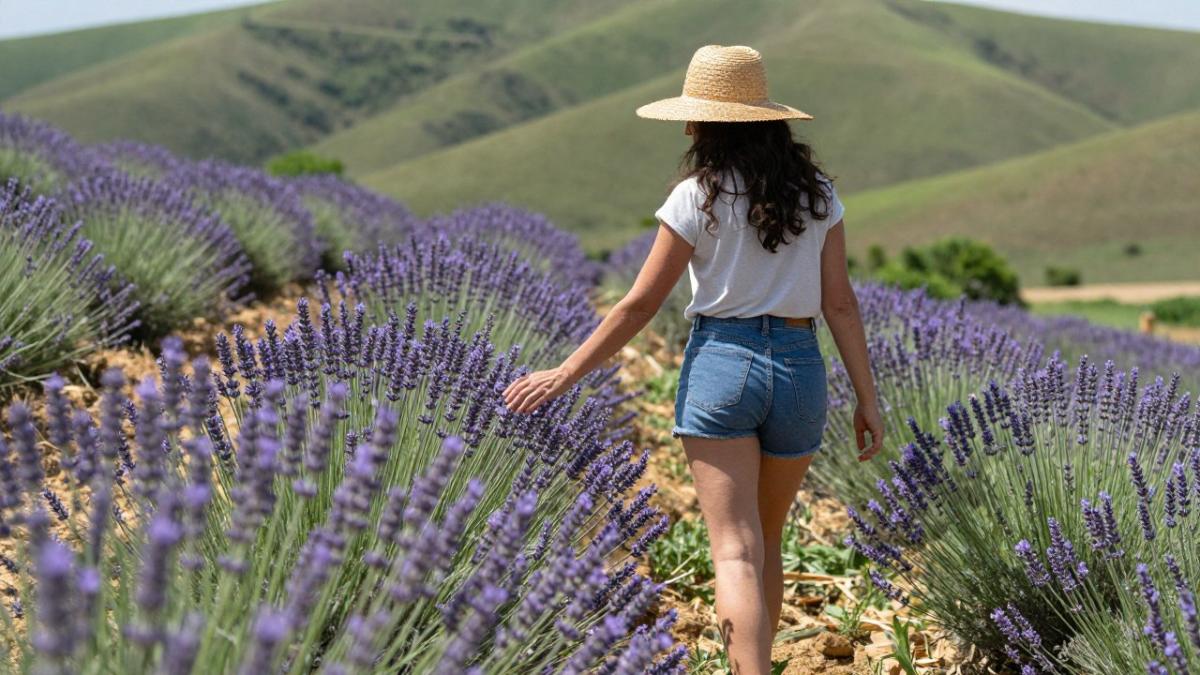
A practical way to think about it is by climate band rather than by calendar. Bloom timing generally follows climate, with cooler northern zones and higher elevations peaking later than warmer southern and low-elevation areas. These are patterns, not promises: a cool spring pushes everything back, and a hot, dry stretch speeds it up.
Peak Bloom by Region and How to Check Before You Go
Use our own current-season page as the authority, and check it in the week before you drive. Ask three questions, not one: is the lavender blooming, is it time for u-pick, and is anything closed for harvest? If we are harvesting we will have fewer blooms farm even though the season is technically on. We post pre and post bloom-status or harvest updates on social media, so check both our website and social channels.
If you are traveling more than a couple of hours, build in a backup. Ask whether are offers any hands-on cutting or bundle sessions during your visit. And if your trip is fixed by a holiday or event, call rather than email, because harvest schedules change daily and a phone call gets you the current answer.
Lavender Farm Tours: What a Guided Walk Actually Shows You
A guided lavender farm tour can turn a pretty field into a story. Walking the rows with someone who knows the crop can add context that separates a tour from a stroll.
Growing, Harvesting, and Distillation Demonstrations
Some lavender farm tours include a look at the process, not just the plants, such as how flowers are cut and bundled or how oil is distilled.
Ask before you visit whether any demonstration is scheduled for your date, since schedules change with the harvest.
Lavender Farm Workshops and Hands-On Experiences
Workshops are where a farm visit becomes something you take home. These suit people who want to do rather than just look, and they are a strong reason to plan ahead.
Our own classes and events are built around hands-on learning, and you can see the classes and hands-on events we offer through the season. If a workshop is the reason for your trip, confirm the date and whether you need to reserve a spot. Popular sessions fill up.
Lavender Farm Visit Planning Tips for a Smooth Day Trip
The planning details below are the part that turns a saved post into a workable day, and they are the questions farms hear most.
Start with hours and reservations. We are open Thursday through Sunday 10-5, that will not change, however our harvest schedule is dependent on the weather. Farm schedules shift with the season and the harvest, so confirm the day's hours before you drive. Many farms run limited days during bloom and close fields during cutting. Ask whether tours and workshops require a reservation and whether there is a deposit.
We do charge for visiting the farm, we charge for private tours and for classes , workshops and u-pick. Ask about cost before you visit, tours, workshops, and purchases depends on the type of visit. For current pricing, check the Beagle Ridge website or contact the farm for a quote.
Accessibility, Parking, and Respectful Farm Etiquette
Ask about parking and walking surfaces ahead of time. Fields are often on uneven ground, and paths may be gravel, grass, or dirt, so anyone with mobility concerns should ask what access looks like and whether there is a drop-off point near the field. Ask about shade, seating, restrooms, and water, because bloom season often means heat and little cover. For arrival details and directions, see our visit planning directions and arrival details page.
Etiquette matters on a working farm. Stay on marked paths, do not pick flowers unless it is upick season and keep an eye on children near equipment. We allow photos but photographers need to schedule after hours as to not disturb our visitors. Treat our farm as someone's livelihood, not a backdrop.
Confirm the farm's pet policy before you visit rather than assuming, we allow pets on a leash.
A final planning habit: book the visit around the experience you want, not the other way around. If a distillation demonstration or a culinary class is the reason for the trip, confirm the date first and build the rest of the day around it.
Matching the Experience to the Visitor: Families, Photographers, and Aspiring Growers
The right visit depends on who is going. Families often enjoy open space and something to taste. Photographers usually want peak bloom and good light. Aspiring growers may want a deeper conversation about varieties, soil, and running a farm.
Visitor Type | Best Experience | What to Confirm First |
|---|---|---|
Families | Short tour, picnic space, treats | Kid-friendly areas, restrooms |
Photographers | Peak bloom, field access | Photo policy, best light hours |
Aspiring growers | Growing and distillation talk | Whether demonstrations run |
Workshop seekers | Hands-on craft or culinary class | Dates and reservations |
A quick way to sort farms is to read what each one emphasizes. Beagle Ridge is known as a teaching facility and focus in education and hands on experiences. Some lean into scenic views and photo opportunities. A farm that is honest about what it does best will give you a better day than one that promises everything.
Contact Beagle Ridge to Plan Your Visit
The best lavender farm visit experiences come from matching your goal to the right farm and timing your trip to the bloom. That takes a little homework, but it pays off in a day that feels worth the drive. If you are ready to plan, reach out and we will help you sort out the details.
Planning a lavender outing should not feel like guesswork. At Beagle Ridge, we help visitors time their trip, join a class, and take home handcrafted herb products from a farm that has been growing for nearly 25 years. Browse our seasonal events, ask about hands-on classes, and confirm your visit details before you drive. Get started with Beagle Ridge and plan a day in the fields that is timed right and built around what you want to learn.
Frequently Asked Questions
What is the best month to visit a lavender farm?
Most lavender farms hit peak bloom between mid-June and mid-July, though the exact window shifts with variety and weather. English lavender tends to bloom earlier than hybrid types, which can stretch the season into late July. Before any farm visit, check our website or social pages for a current bloom report, since a warm spring can push peak bloom a week or two early. Booking early in the season also helps you avoid sold-out tour slots.
Do lavender farms offer tours or workshops?
Some working lavender farms run guided tours or workshops alongside their fields. We have tours by appointment but are open Thursday through Sunday for self tours. Our tours usually cover how the plants are grown, harvested, and distilled, sometimes with a live demonstration. Workshops lean hands-on: crafting, cooking with culinary lavender, or making herbal products. Confirm dates and whether registration is needed before you visit. Ask whether the tour includes field access or is classroom-only, since that changes what you get for your time.
How long should you spend at a lavender farm?
Plan on one to three hours for a typical lavender farm visit. A quick stop for photos and the farm shop takes about an hour, while a guided tour plus a workshop can fill half a day. If you want a picnic, add extra time and check whether the farm allows outside food. Families with young children often do better with a shorter window timed around peak morning bloom, when the fields are cooler and less crowded.
What should you wear and bring to a lavender farm?
Wear closed-toe shoes you don't mind getting dusty, since field paths are often gravel or dirt. Bring a hat, sunscreen, and water, because fields offer little shade at midday. Bees love lavender, so skip strong perfume and bright floral prints if you want to avoid attention. A camera and a light layer for breezy afternoons help too. Check the farm's visitor information ahead of time for any rules on pets, tripods, or cutting flowers.

Comments
Post a Comment