Last Updated: November 19, 2026
Quick Summary
The best handcrafted herbal gift ideas in 2026 are quick, inexpensive projects like herb salt, infused honey, and lavender sachets that take an afternoon rather than a fortune. Start oils and vinegars in early fall, since they need weeks to infuse before holiday gifting. Label every ingredient and patch test topical gifts before giving them.
- Herb salt blends one cup coarse salt with a quarter cup dried rosemary, thyme, and sage.
- Infused oils steep for 3 to 4 weeks, shaking daily, then strain through cheesecloth.
- Build herbal gift baskets around one theme with three to five items.
- Herb butter keeps one month refrigerated or three months frozen.
- Patch test salves and bath soaks on the inner forearm for 24 hours before gifting.
Table of Contents
- Handcrafted Herbal Gift Ideas 2026: What to Make and Give
- DIY Herbal Gifts: Infused Oils, Honey, and Vinegar
- Herbal Gift Baskets: Building a Cohesive Set
- Herbal Gifts for Cooks: Culinary-Focused Ideas
- Lavender Gifts: Bath Soaks, Sachets, and Candles
- Herbal Teas and Drink Gifts for Every Season
- Safety, Packaging, and Shelf Life: What to Know First
- Sourcing Herbs and Planning Your Gift-Making Season
- Frequently Asked Questions
Handcrafted Herbal Gift Ideas 2026: What to Make and Give
A jar of herb-infused honey costs little to make and beats most store-bought gifts on thoughtfulness. That is the quiet advantage of handcrafted herbal gift ideas in 2026: the best ones take an afternoon, not a fortune. At Beagle Ridge, we have spent nearly 25 years growing, drying, and infusing herbs on our farm.
DIY Herbal Gifts: Infused Oils, Honey, and Vinegar
DIY herbal gifts start with one skill: steeping dried plant material in oil, honey, or vinegar until the flavor and aroma carry over. Master that, and you can make a dozen different presents from the same harvest.
Infused Oil and Salve Basics
An infused oil is dried herbs steeped in a carrier oil over several weeks, and a salve is that oil thickened with beeswax.
Here is our basic method:
- Fill a clean glass jar two-thirds full with dried herbs
- Cover with olive or jojoba oil, leaving an inch of headspace
- Seal and set in a warm spot for 3 to 4 weeks, shaking daily
- Strain through cheesecloth and bottle
For a salve, melt one part beeswax into four parts infused oil. Difficulty is easy; active time is about 30 minutes plus four weeks of waiting.
Watch out: Avoid making oil infusions with fresh herbs or storing them in a warm cupboard long-term, since trapped moisture can grow mold.
Herbal-Infused Honey and Vinegar
Honey and vinegar infusions work faster than oils. Soft herbs like thyme, rosemary, or lavender steep in honey for one to two weeks in the fridge. Vinegar takes about two weeks in a cool, dark spot.
- Honey: warm gently, never boil, then cover dried herbs and infuse
- Vinegar: use apple cider or white wine vinegar with tarragon, dill, or chives
- Ratio: about one part dried herbs to three parts liquid
If you would rather skip the steeping, our farm sells small-batch herb oils and vinegars made the same way, ready to gift or to use as a starting point.
Herbal Gift Baskets: Building a Cohesive Set
Herbal gift baskets work best when every item shares a theme. A random mix of jars reads as clutter; a set that tells one story reads as a gift.
Try these pairings:
- The tea lover: loose herbal tea, a honey dipper, and a small strainer
- The cook: herb salt, infused vinegar, and a linen kitchen towel
- The bather: bath soak, a sachet, and a beeswax candle
Aim for three to five items. Add a handwritten gift tag naming each piece, and wrap the basket in a cloth you would be happy to receive.
Herbal Gifts for Cooks: Culinary-Focused Ideas
Herbal gifts for cooks should earn counter space, not cabinet clutter. Think about what a home cook actually reaches for on a weeknight, then build the gift around one workhorse item and one supporting piece. The three projects below are the ones we make most often because each one is fast, inexpensive, and genuinely useful.
Herb Salt
Blend one cup coarse salt with a quarter cup combined dried rosemary, thyme, and sage. Pulse in a food processor until the herbs are flecked through the salt but not powdered, then spread on a sheet pan for an hour to dry before jarring.
Watch out: fresh herbs will clump and mold in the jar, so dry them fully first, and avoid adding garlic powder unless the recipient will use the salt within a few weeks.
Infused Vinegar
Use apple cider or white wine vinegar with tarragon, dill, or chives at about one part dried herbs to three parts liquid. Combine in a clean glass jar, seal, and steep in a cool, dark spot for two weeks, shaking every few days. Strain, bottle in swing-top bottles, and label with the date. Active time is about 20 minutes plus two weeks of waiting. Difficulty is easy.
Watch out: vinegar can corrode metal lids, so use a plastic-lined cap or a cork, and warn the recipient to store bottles away from light to protect the color and flavor.
Herb Butter
Soften one stick of unsalted butter, fold in two to three tablespoons of finely chopped fresh herbs, shape into a log on parchment, and freeze. Active time is about 15 minutes plus an hour to firm up. Difficulty is easy. This is the fastest project in the guide and the best choice when you are short on time.
Watch out: herb butter is perishable, so gift it chilled with a note to refrigerate immediately, and skip it for recipients who will not be home to receive it.
Packaging and Pairing
Package salts in small corked jars with a gift tag listing uses, and pair a salt with a vinegar or a butter log to make a cooking-themed basket. If you want a ready-made example to pair with your own gift, our culinary herb salts show how a simple blend can anchor a whole cooking-themed basket.
Quick Comparison
Project | Active time | Wait time | Difficulty | Approximate cost per batch | Shelf life |
|---|---|---|---|---|---|
Herb salt | 15 min | 1 hour to dry | Easy | A few dollars | About 1 year |
Infused vinegar | 20 min | 2 weeks | Easy | A few dollars | Up to 1 year |
Herb butter | 15 min | 1 hour to firm | Easy | A couple of dollars | 1 month refrigerated; 3 months frozen |
Active time
Use the table to pick a project that fits your schedule and budget, then make a double batch so you have one to give and one to keep.
Lavender Gifts: Bath Soaks, Sachets, and Candles
Lavender gifts are the most requested herbal present we hear about, and for good reason. The scent is familiar, the plant is versatile, and the projects are hard to get wrong.
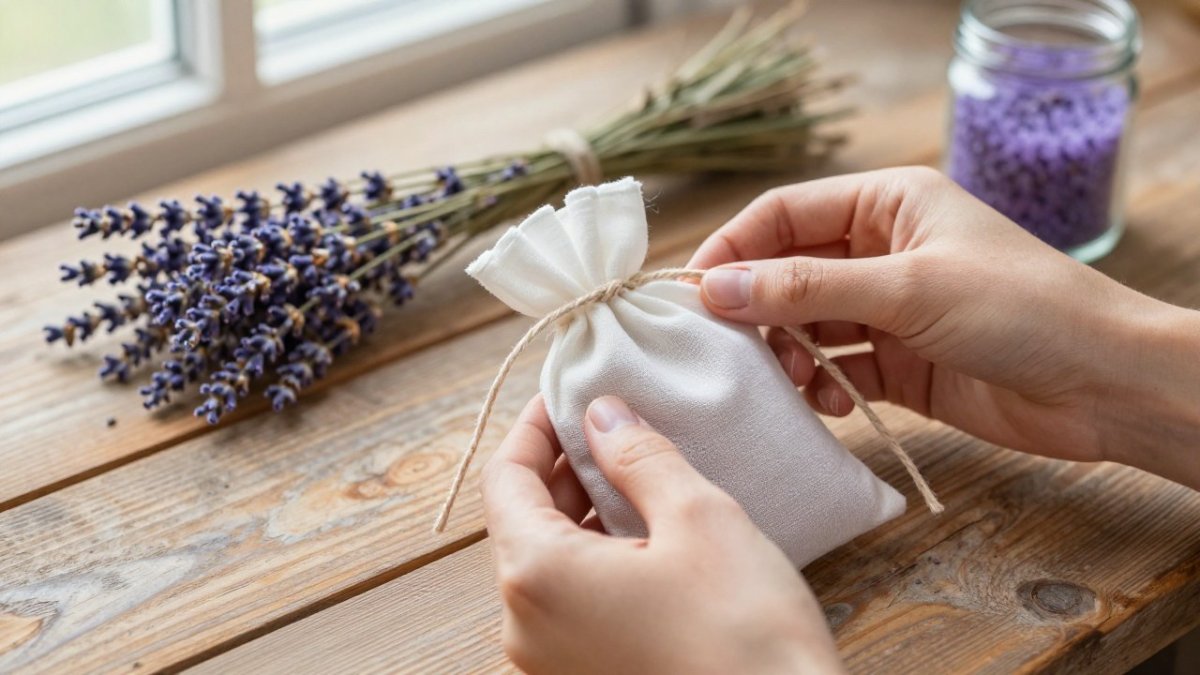
Three projects to start with:
- Rose petal and lavender bath soak: two cups Epsom salt, half a cup dried lavender, half a cup dried rose petals, a few drops of lavender essential oil
- Linen sachets: fill muslin bags with dried lavender buds and tie with twine
- Beeswax candles: melt beeswax, add lavender oil, pour into a heat-safe tin with a wick
Each takes under an hour except the candle, which needs a full day to set. For readers who would rather buy than make, our farm's lavender bath and body line covers soaks, sachets, and more.
Herbal Teas and Drink Gifts for Every Season
Herbal teas can make flexible drink gifts for different seasons. A chamomile blend soothes in winter; a mint and lemon verbena mix pours over ice in July.
Build a tea gift around one base and two accents:
- Winter: chamomile, rosehips, and a little dried orange peel
- Summer: peppermint, lemon verbena, and dried rose petals
- Year-round: a simple lavender and lemon balm blend
Package loose tea in tins with a small scoop and a card listing steep times. For a warm-weather twist, include a recipe for lavender iced tea: steep, chill, and serve over ice with a sprig of fresh mint. Our farm's herbal tea recipes give you more blends to work from.
Safety, Packaging, and Shelf Life: What to Know First
Herbal safety comes before presentation. A beautiful gift that causes a reaction is a gift nobody enjoys, and the difference between a responsible gift and a risky one usually comes down to a few habits: label everything, test before you gift, and store each product the way its ingredients demand.
Patch Testing Topical Gifts
Before gifting a salve, oil, or bath soak, patch test it on yourself and ask the recipient to do the same. Apply a small amount to the inner forearm, wait 24 hours, and check for redness, itching, or swelling.
Watch out: essential oils are far more concentrated than dried herbs, so dilute them heavily in carrier oil and skip them entirely for children, pregnant recipients, and anyone with asthma unless you have checked with them first.
Allergies and Ingredient Sensitivities
Ask about allergies before you assemble a basket, and keep a written ingredient list for every item so the recipient can check it themselves. When in doubt, choose a single-ingredient gift over a blend.
Labeling Every Item
List every ingredient, including the carrier oil or sweetener, on a tag attached to each jar. Add the date made, the suggested use, and a storage note. For topical products, a simple line such as "External use only, patch test before use" covers the basics. The U.S. Food and Drug Administration guidance on cosmetics is worth a read before you label a topical product, and for dried herbs and teas the USDA's food safety resources cover storage basics.
Shelf Life by Product Type
Watch out: any oil that smells rancid or any jar with condensation, mold, or an off odor should be discarded, not gifted.
Packaging That Protects the Gift
Use glass over plastic where you can, add a gift tag with the date made, and seal jars with a wax or shrink band. For shipping, cushion glass jars in paper or cloth, and choose a box that leaves no room for movement.
A Safety Checklist Before You Gift
Run through this list for every basket: ingredients listed on each item, date made noted, patch test completed for topicals, allergies confirmed with the recipient, storage instructions included, and perishable items flagged for refrigeration. Five minutes of checking prevents the one outcome no gift guide wants, a recipient who cannot use what you made.
Sourcing Herbs and Planning Your Gift-Making Season
Plan the gift-making season backwards from the holidays. Dried herbs need weeks to infuse, so start oils and vinegars in early fall.
A simple calendar:
- Late summer: harvest and dry herbs
- Early fall: start infused oils and vinegars
- November: make salves, salts, and bath soaks
- December: assemble baskets and label everything
Source herbs from your own garden where possible. For anything you buy, look for organic growers and check that the plant name is on the label.
Gift-making rewards planning, not perfection. Start with one project you can finish well, label it clearly, and build from there.
Frequently Asked Questions
What are some good herb gift ideas for someone who loves cooking?
Culinary herbal gifts work best when they are shelf-stable and easy to use. Consider herb-infused olive oil, herb vinegar, dried culinary blends, or a small jar of herbes de Provence. Pair them with a handwritten recipe card for salad dressing or roasted vegetables. For cooks who already have a stocked pantry, a bundle of fresh-cut culinary herbs or a set of infused finishing salts feels more personal. Keep portions small so the recipient can try them before committing to a larger bottle.
What are easy DIY herbal gifts to make at home?
The simplest projects need no special equipment: herbal-infused honey, dried herb sachets, bath salt blends, and herbal tea jars. Infused honey, sachets, and bath salts are quick projects. Infused oils take longer because they need time to extract. Start with dried herbs rather than fresh, since fresh plant material introduces moisture that shortens shelf life and can spoil the oil.
How do I choose a thoughtful gift for someone who loves herbs?
Match the gift to how the person actually uses herbs. A gardener will appreciate seeds, a small trowel, and a lavender plant. A cook wants culinary blends and infused vinegars. Someone focused on natural wellness may prefer bath soaks, salves, or a linen spray. Ask about allergies and skin sensitivities before gifting anything topical, and note whether the recipient avoids certain botanicals. A coordinated herbal gift basket that combines two or three small items usually reads as more thoughtful than one large product.
Are handmade herbal gifts safe for everyone?
No. Herbal products can trigger allergies, and some botanicals are not appropriate for people who are pregnant, nursing, or taking medication. Label every homemade gift with its full ingredient list, including the carrier oil or base. For anything applied to skin, do a patch test on the inner arm before regular use. When in doubt, choose a culinary or aromatic gift over a topical one.

Comments
Post a Comment