Last Updated: November 10, 2026
Quick Summary
Let’s start with organic versus culinary! They are not the same thing. Culinary is a a variety of lavenders which truly are culinary, if you are going to use it in cooking, you need a CULINARY cultivar. Organic means grown without chemicals pesticides or herbicides, it has NOTHING to do with edibility. So know what you are looking for and buy accordingly.
Buy organic lavender online by checking the cultivation, then bud color, aroma strength, bud integrity, and origin transparency before you order. If the seller can not tell you what cultivar it is, I can almost guarantee it is NOT culinary. Quality organic lavender has deep purple-blue buds, strong sweet floral notes when crushed, whole buds rather than dusty fragments, and a named farm behind it.
- Deep purple-blue buds signal a timely harvest; pale gray or brown means buds sat too long.
- English lavender varieties like Hidcote and Munstead are the culinary standard, with sweet, low-camphor notes.
- Pesticide-free is a self-declared claim, while certified organic means an accredited certifier inspected practices.
- Store buds in an airtight, resealable container away from sunlight, heat, and moisture.
- Score listings on traceability, certification, variety, and handling before you buy.
Table of Contents
- What Separates Quality Organic Lavender From Cheap Imports
- Organic Culinary Lavender: What the Label Actually Means
- How to Use Culinary Lavender Without Overpowering Your Food
- Lavender Sourcing Best Practices for Online Buyers
- Storage and Shelf Life: Keeping Buds Fresh After Delivery
- Ordering From Beagle Ridge With Confidence
What Separates Quality Organic Lavender From Cheap Imports
Shopping for organic lavender online means sorting through a crowded field of listings that all promise the same thing: fragrant, pure, farm-fresh buds. The reality is messier. Much of what arrives is imported lavender with faded color, weak scent, and no verifiable growing story behind it. At Beagle Ridge, we have grown and sold lavender for nearly 25 years.
Quality culinary lavender is dried lavender grown without synthetic pesticides and harvested at the right stage, so the buds keep their color, essential oil content, and fragrance profile. Cheap imports often skip that discipline. They are harvested late, dried fast, and shipped long distances, which leaves you with grayish buds and a scent that fades within days.
- Bud color: Deep purple-blue signals a timely harvest. Pale gray or brown means the buds sat too long.
- Aroma strength: Crush a few buds between your fingers. Strong, sweet floral notes should hit immediately.
- Bud integrity: Whole buds, not dusty fragments. Broken buds lose oil fast.
- Origin transparency: A named farm beats a vague "packed for" label every time.
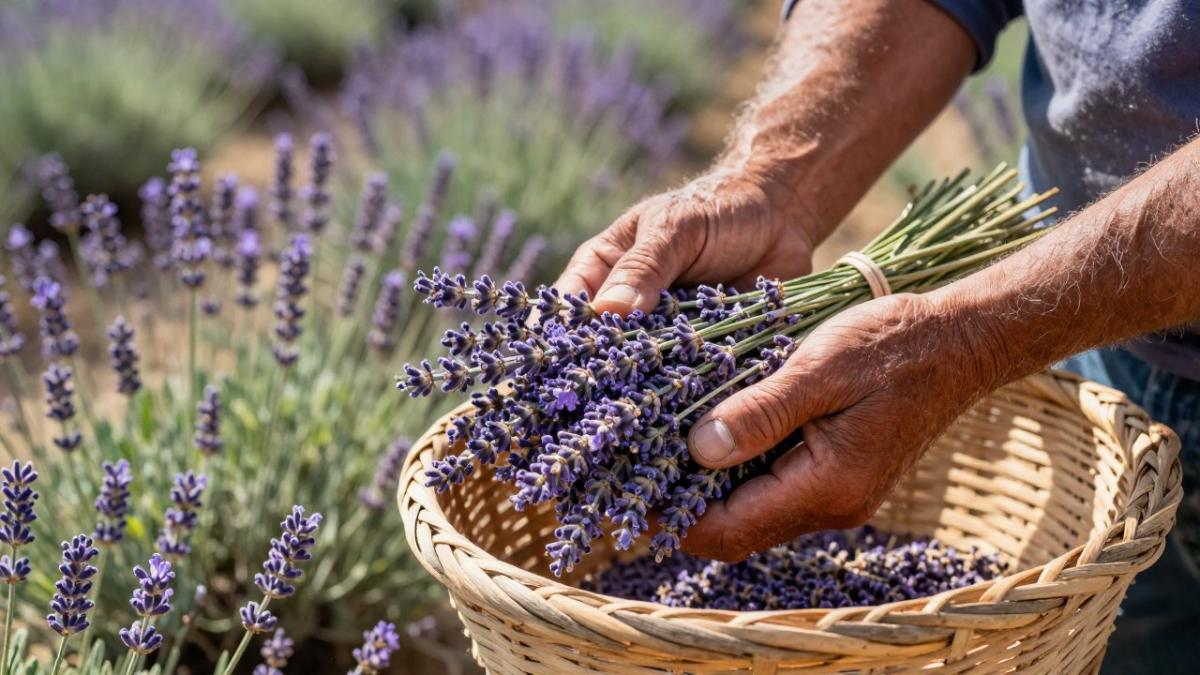
If you want to see our lavender for yourself, browse our organic lavender products.
Here are the quality signals to check before you buy.
Check | Good sign | Warning sign |
|---|---|---|
Bud color | Deep purple-blue | Pale gray or brown |
Aroma strength | Strong, sweet floral notes when crushed | Scent fades within days |
Bud integrity | Whole buds | Dusty fragments |
Origin transparency | A named farm | Vague "packed for" label |
Organic Culinary Lavender: What the Label Actually Means
The label on a bag of organic culinary lavender tells you two separate things, and buyers often blur them together. "Culinary" describes how the lavender is intended to be used: as a food ingredient, which means it should be free of anything you would not want on your plate. "Organic" describes how it was grown and handled.
Organic culinary lavender is lavender grown under organic standards and processed for food use, meaning it carries no synthetic pesticide residue and is handled to food-grade cleanliness. Not every fragrant lavender qualifies.
The term "culinary grade" is not a legal standard. It is an industry shorthand, and some sellers use it loosely. What matters is whether the farm can tell you how the lavender was grown, when it was harvested, and how it was dried and stored.
Varietal Matters: English vs. Lavandin
This is where most buying guides go quiet, and it is the single biggest reason a recipe fails. Lavender is not one flavor. The species and variety determine whether your shortbread tastes floral and sweet or resinous and soapy.
- English lavender (Lavandula angustifolia): The culinary standard. Varieties such as Hidcote and Munstead carry sweet, low-camphor floral notes with hints of mint and citrus. They suit baking, infusions, and delicate desserts.
- Lavandin (Lavandula x intermedia): A hybrid grown for essential oil volume. Varieties like Grosso and Provence produce high yields and strong scent, but the flavor is camphor-heavy and bitter. Lavandin is common in cheap "lavender" listings because it is prolific, not because it tastes good.
A practical test: English lavender buds are smaller, tighter, and sweeter on the nose. Lavandin buds are larger, fluffier, and smell sharper. For cooking, ask for English lavender by variety name and treat anything unnamed as a fragrance product.
Pesticide-Free vs. Certified Organic: Know the Difference
These two claims are not interchangeable.
- Pesticide-free is a self-declared claim. No third party verifies it. It may be true, but you are trusting the seller's word.
- Certified organic means an accredited certifier inspected the growing and handling practices against a defined standard.
Neither claim guarantees quality on its own, but certification gives you a paper trail. Ask any seller which certifier signed off and when.
How to Use Culinary Lavender Without Overpowering Your Food
The most common mistake home cooks make with culinary lavender is using too much. Lavender is potent, and a heavy hand turns a delicate dessert into something that tastes like soap. Start small and build.
Start with a small amount of dried lavender and adjust to taste.
A few general rules of thumb for cooking with lavender:
- Infusions: Steep buds in warm liquid, then strain before serving. Ten minutes is enough for most recipes.
- Baking: Grind buds fine so you do not bite into woody pieces.
- Savory dishes: Pair sparingly with lamb, roasted vegetables, or vinaigrettes.
- Sweet pairings: Lavender works best with honey, lemon, vanilla, and dark chocolate.
If you want tested recipes to put this guidance to work, explore our culinary lavender recipes for proportions we actually cook with.
Lavender Sourcing Best Practices for Online Buyers
Buying lavender online removes your ability to smell before you buy, so the sourcing questions you ask do more work. Good sellers welcome them.
Lavender sourcing comes down to verifying origin, harvest timing, and handling before the buds reach your door.
Ask these questions before you order:
- Where is the lavender grown, and can you name the farm?
- When was this season's harvest, and how is it stored
- How is it packaged for shipping?
- What cultivar is it?
The Sustainability Question Most Buyers Forget
Origin and certification tell you what is in the bag. They do not tell you how the farm treats its land or its workers. For eco-conscious buyers, that second layer is the real differentiator, and almost no lavender listing addresses it.
A few concrete things to look for:
- Named harvest practices: Ask whether the farm hand-harvests or machine-harvests.
- Drying method: Ask how the lavender is dried.
- Packaging footprint: Ask whether the seller offers refill sizes or compostable options.
- Labor transparency: Ask who harvested the crop.
These practices are not regulated the way organic certification is, so you will need to ask.
A Sourcing Scorecard You Can Use
When you compare two listings, score each on four lines:
- Traceability: Named farm and harvest date versus "packed for" language.
- Certification: Certifier named and current versus a vague organic claim.
- Variety: Species and variety named versus generic "lavender."
- Handling: Small-batch drying and resealable packaging versus bulk repackaging.
A listing that scores well on all four is doing the work. A listing that scores well on none is asking you to trust a label.
You can also check whether the seller runs a working farm you could visit. Read more about our farm and sourcing story to see how we answer those questions ourselves.
Storage and Shelf Life: Keeping Buds Fresh After Delivery
Lavender can lose fragrance when exposed to air and light, so storage affects how long it stays fresh.
- Keep buds in an airtight, resealable container, not the open bag they shipped in.
- Store away from sunlight and heat. A dark cupboard beats a sunny windowsill.
- Keep away from moisture. Steam from a kettle or dishwasher will flatten the aroma.
- Label the harvest date so you know when to reorder.
Sachets and potpourri made from older buds are a smart way to use lavender that has lost some punch. For cooking, always start with the freshest buds you have.
Ordering From Beagle Ridge With Confidence
Ordering herbs online for the first time raises fair questions, and we would rather answer them upfront than have you guess. We have operated our farm for nearly 25 years.
A few things to know before you order:
- We are a working farm, offering a welcoming destination for visitors to explore and learn through classes.
- Our products are handcrafted, from culinary items like oils, vinegars, and scones to fragrant lavender goods.
- Questions about an order are welcome before you buy.
If you have a question about shipping, returns, or what is in season, contact our farm directly and we will walk you through it. Ready to shop? Visit our online shop to see what is available now.
Beagle Ridge has spent nearly 25 years growing and handcrafting herb products, and we are glad to answer your questions before you order. Get started with Beagle Ridge and bring farm-fresh organic lavender into your kitchen and home.

Comments
Post a Comment